Solving the Physics of Latency
Centralized cloud computing relies on massive data centers processing requests from across the globe. However, the speed of light imposes a hard physical limit on data transmission speeds. For applications requiring real-time responsiveness—such as autonomous manufacturing robotics, remote surgical systems, or high-frequency trading—the 50-100 millisecond latency of a round-trip to a centralized server is unacceptable.
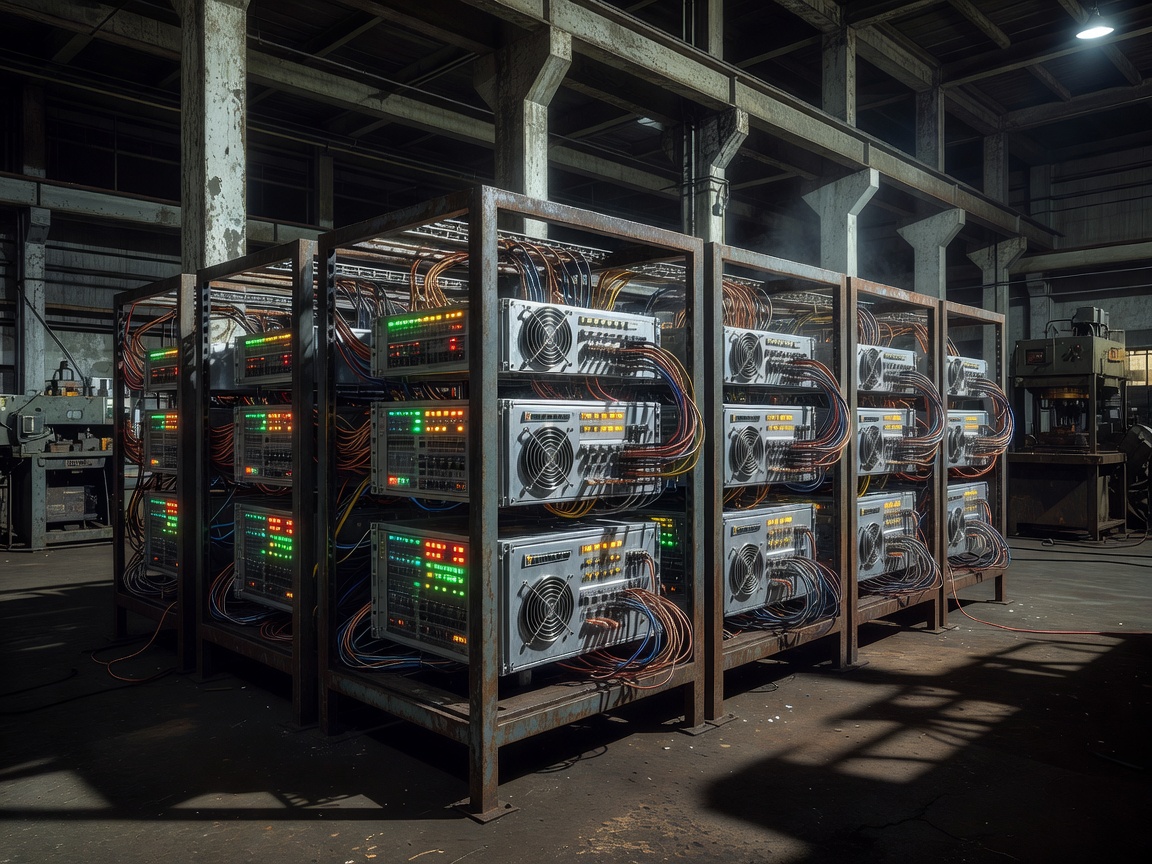
Edge computing solves this by distributing compute, storage, and networking resources closer to the data source (the "edge" of the network). By processing data locally on IoT gateways or micro-data centers at cell towers, latency can be reduced to single-digit milliseconds.
Bandwidth Optimization and Cost Reduction
Beyond latency, edge computing drastically reduces bandwidth costs. An industrial facility equipped with high-resolution computer vision cameras for quality assurance generates terabytes of video data daily. Streaming raw, uncompressed video to a centralized cloud for processing is economically unviable.
In an edge architecture, localized hardware applies machine learning models directly to the video feed. The edge node only transmits relevant metadata (e.g., "Defect detected on assembly line 3 at 14:02") to the central cloud for long-term storage and aggregate analytics. This filters out 99% of the noise, preserving costly wide-area network bandwidth.
5G Infrastructure Synergy
The rollout of 5G cellular networks acts as a critical enabler for edge computing. 5G architecture inherently utilizes Multi-access Edge Computing (MEC), embedding processing capabilities directly into telecommunications routing facilities. This allows mobile devices to offload intensive tasks (like augmented reality rendering) to nearby edge nodes rather than relying solely on constrained mobile processors, drastically improving battery life and performance.
Security Implications at the Edge
Distributing computing infrastructure inherently expands the attack surface. Centralized data centers feature armed guards and biometric physical security; edge devices are often deployed in unmonitored environments, such as retail stores or traffic intersections. Securing the edge requires stringent hardware-level protections, such as Trusted Execution Environments (TEEs) and encrypted storage, to prevent physical tampering from compromising the broader network.